Template bundles can save time for agencies and freelancers, but only when the library matches the work. Here is how to judge value, licensing, quality, and workflow fit.

A template bundle is worth paying for when you build websites often enough to reuse the library as a working tool. If you need one website every few years, a single template is usually easier. If you are an agency or freelancer moving between several client projects, a good library can remove a surprising amount of repetitive setup.
The important word is good. A huge download count is not useful on its own. What matters is whether the templates are well structured, current, easy to customize, and available in the formats your projects actually need.
Templates do not remove the design process. They remove some of the blank-page work around it.
A well-built starting point can give you a responsive navigation, sensible page structure, CMS collections, project layouts, footer logic, reusable sections, and a visual direction that is already coherent. That lets the team spend more time on the client's message, content, art direction, and custom interactions.
For an agency, that difference is often more valuable than the purchase price itself.
Think in projects rather than downloads. If the library gives you a strong starting point for several paid projects, the economics can work quickly. If you download twenty templates but never ship a site with them, the bundle was still expensive.
A simple test is to ask: will this library replace work we repeatedly do from scratch? If the answer is yes, the value is easier to justify.
For client work, licensing matters more than the number of templates included. Check commercial-use rights, project limits, redistribution restrictions, and whether downloaded files remain usable if a subscription ends.
Do not assume every template subscription works the same way. Terms differ between marketplaces and independent libraries, and they can change over time. For Flowmance, use the current pricing and licensing information rather than older articles that may describe previous plans.
A bundle becomes difficult to use if every template follows a different system. Look for consistency in class naming, spacing, responsive behavior, CMS setup, and documentation. You should be able to open a new template and understand how it was built without relearning the basics every time.
Visual variety is useful. Structural chaos is not.
One reason template libraries have become more interesting is that a design may be available in more than one format. A team might explore in Figma, launch in Webflow, use Framer for another project, or need HTML files for a code-first workflow.
Flowmance currently lists more than 420 templates across Webflow, Framer, Figma, HTML, and an expanding set of additional formats. Availability still varies by individual template, so always check the specific product page before promising a format to a client.
This is the main creative risk. If the team simply changes the logo and colors, the time saving comes at the cost of originality.
A better workflow is to keep the useful foundation but change the parts that define the experience: section order, typography, image direction, content rhythm, interaction choices, and the relationship between key pages. Two projects can start from the same system and end up feeling completely different.
If you are building one highly specialized application, need a completely bespoke design system, or expect heavy custom engineering, a template bundle may not save much time. The same is true if you spend longer undoing a template than you would building the structure yourself.
Templates are strongest when the project has a familiar website shape but still needs a polished, distinctive execution.
A bundle is not valuable because it contains hundreds of templates. It is valuable because it gives a team more good starting points and fewer repetitive setup tasks.
For agencies, that can mean faster exploration, quicker client approvals, and more time left for the parts of the project that actually need custom thinking. Browse the current Webflow, Framer, Figma, and HTML libraries to judge whether the available work fits the projects you build most often.


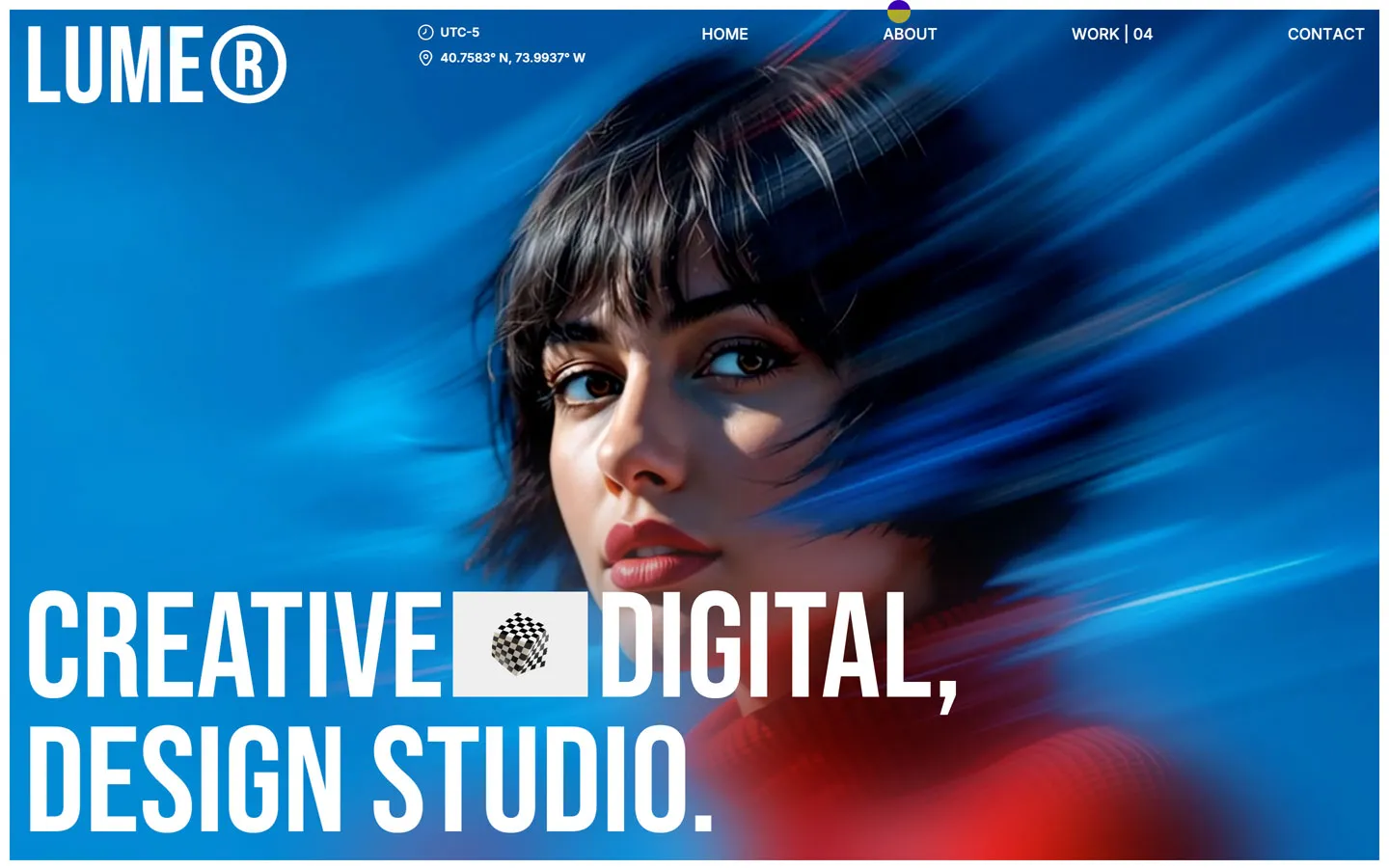
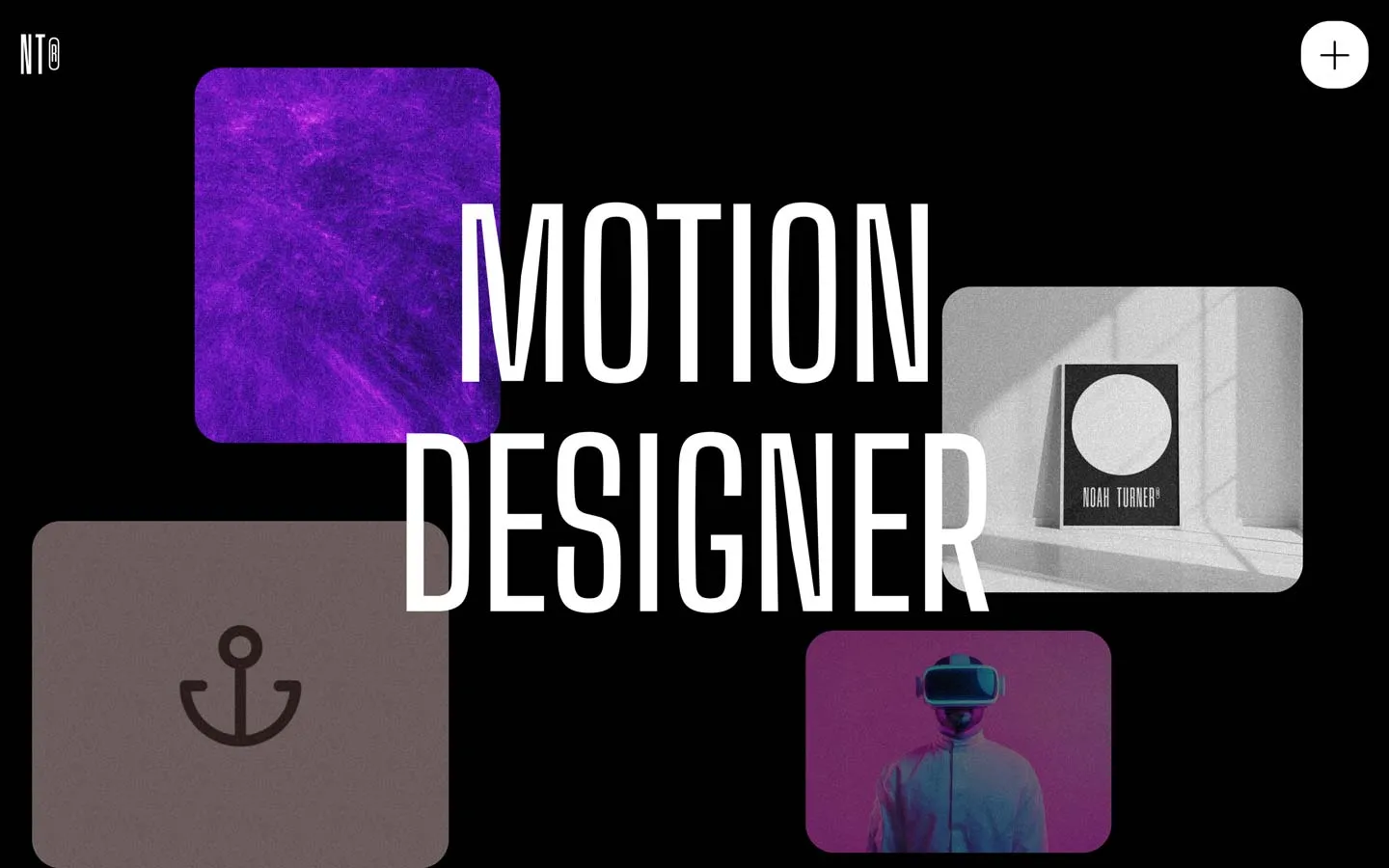
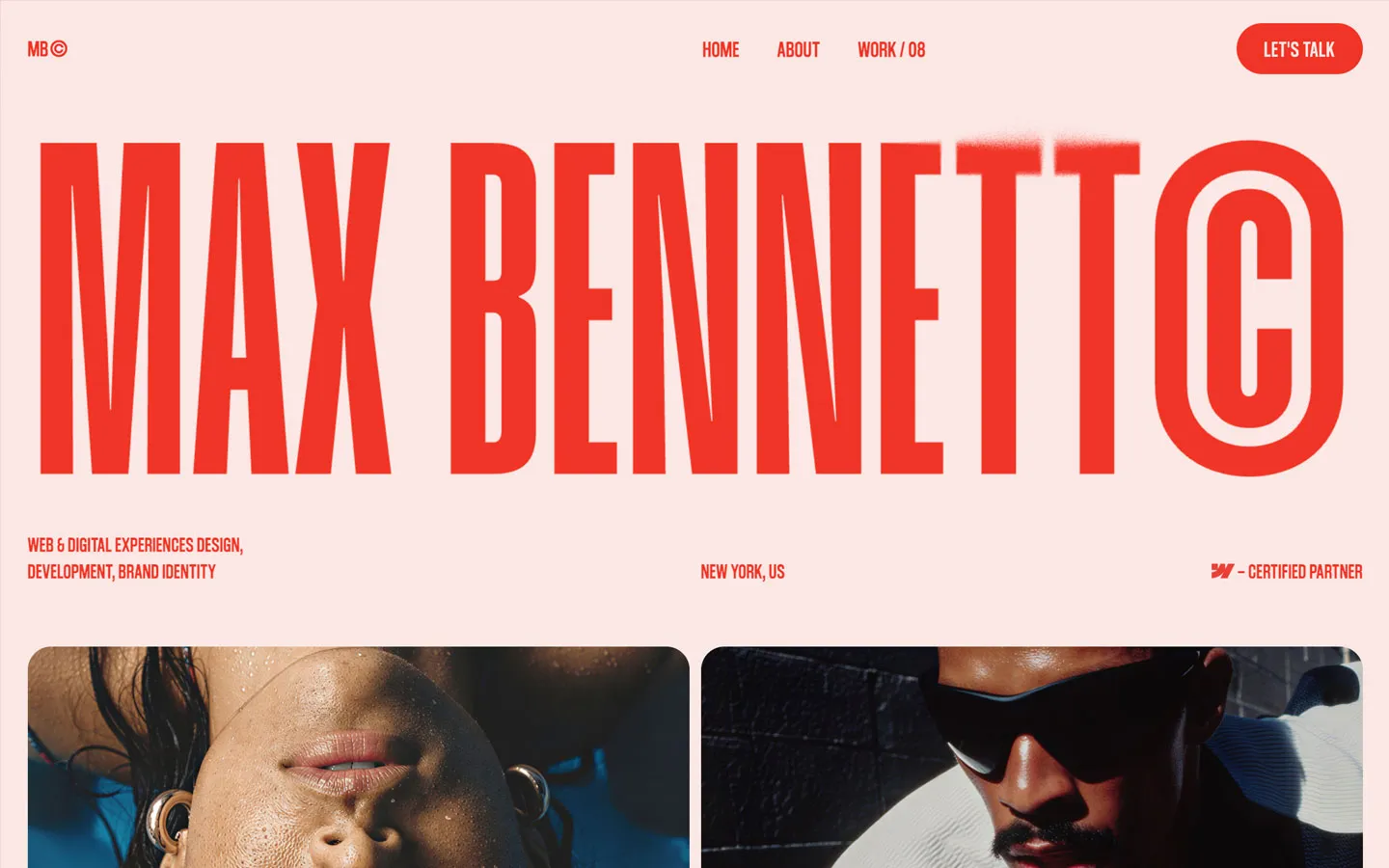


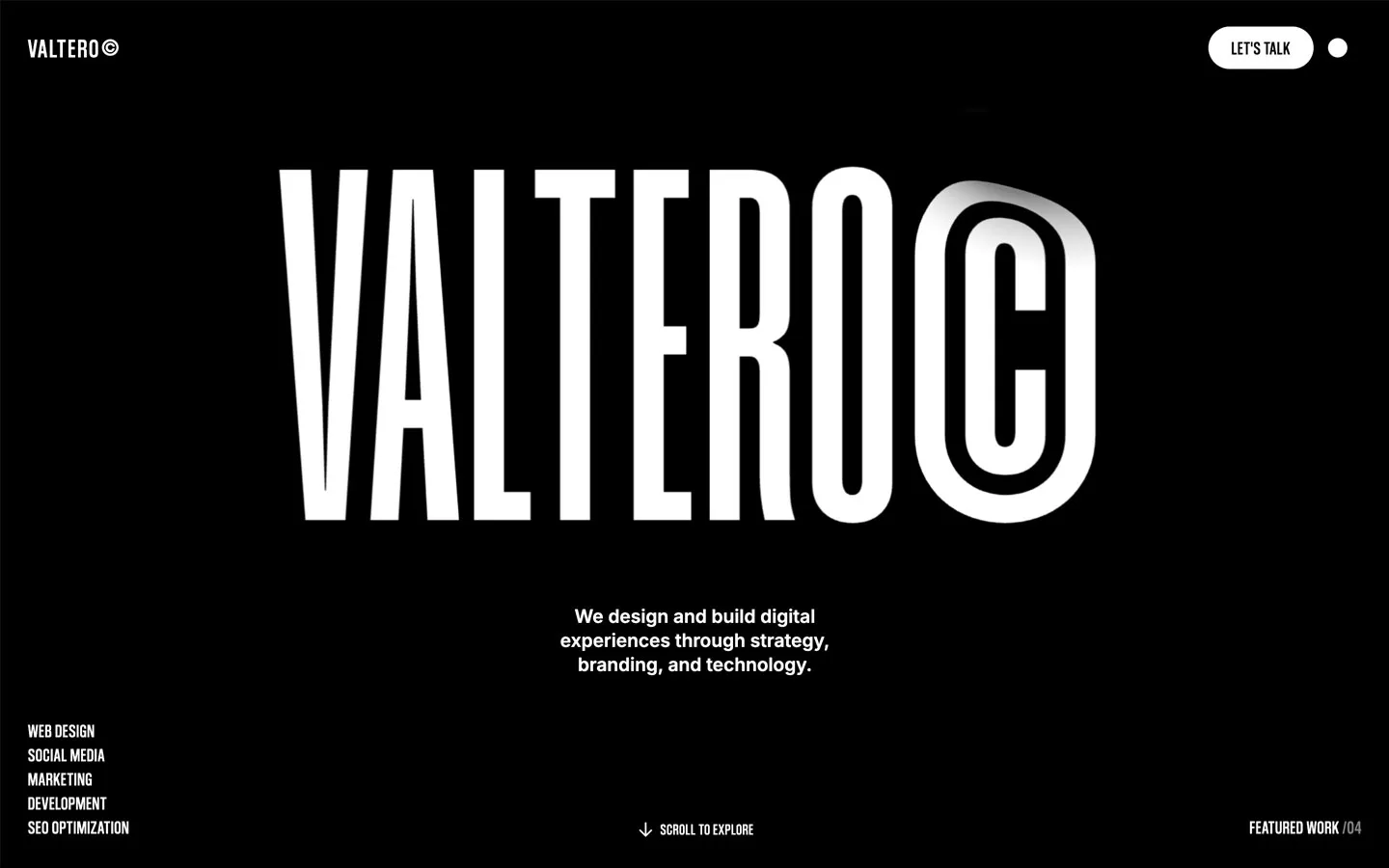
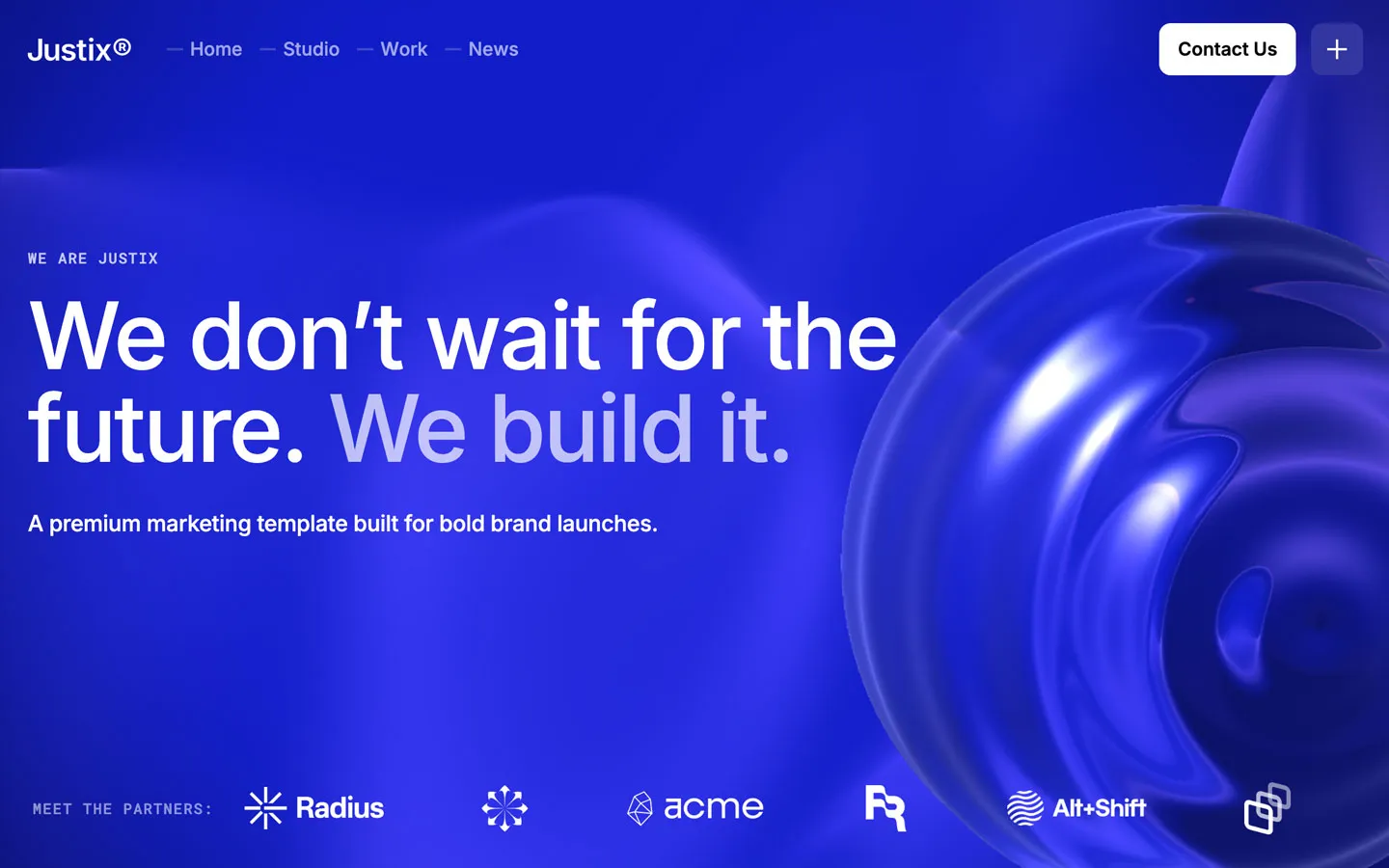


Don’t miss out on our superb, customizable templates designed to enhance your web design experience. We constantly add new templates and components.

Explore stunning Webflow, Framer, HTML5, Next.js and Figma templates designed to spark your next big idea.


*Rest assured that your data is safe with us, and you'll only hear from us 1 time per month.