A multi-platform template library is most valuable to agencies, freelancers, studios, and in-house teams that move between Webflow, Framer, Figma, HTML, and developer-led workflows.

A multi-platform template library is valuable when the same team regularly works across different production workflows. If every project always ships in one tool, broad format coverage matters much less.
One client may prefer Webflow, another Framer, another direct HTML files, while a fourth needs Figma approval before implementation. A broader library can reduce the need to source a new design system for every platform choice.
A freelancer may begin in Figma, publish some projects in Framer, use Webflow for CMS-heavy sites, and hand source files to a developer on another project. Multiple formats can support that flexibility.
Designers can evaluate visual directions while developers choose the production format that matches hosting, CMS, or integration requirements. The useful part is having related starting systems available across roles.
A main marketing site may live in Webflow while a fast event page uses Framer or a campaign needs static HTML. A library can provide familiar visual patterns without forcing every project into the same stack.
If the team is deeply standardized on one platform and has no reason to switch, a specialized library may be simpler. Do not pay for theoretical flexibility that the workflow will never use.
Do not assume every design is available everywhere or that every version has identical pages and functionality. Verify the individual product before planning a cross-platform project.
Having several file formats does not automatically expand usage rights. Review the license for client use, project limits, and redistribution separately.
Multi-platform libraries create the most leverage for teams whose platform choice changes from project to project. The value is workflow flexibility, not the number of file types in the account.
Compare current Flowmance libraries across Webflow, Framer, Figma, and HTML.


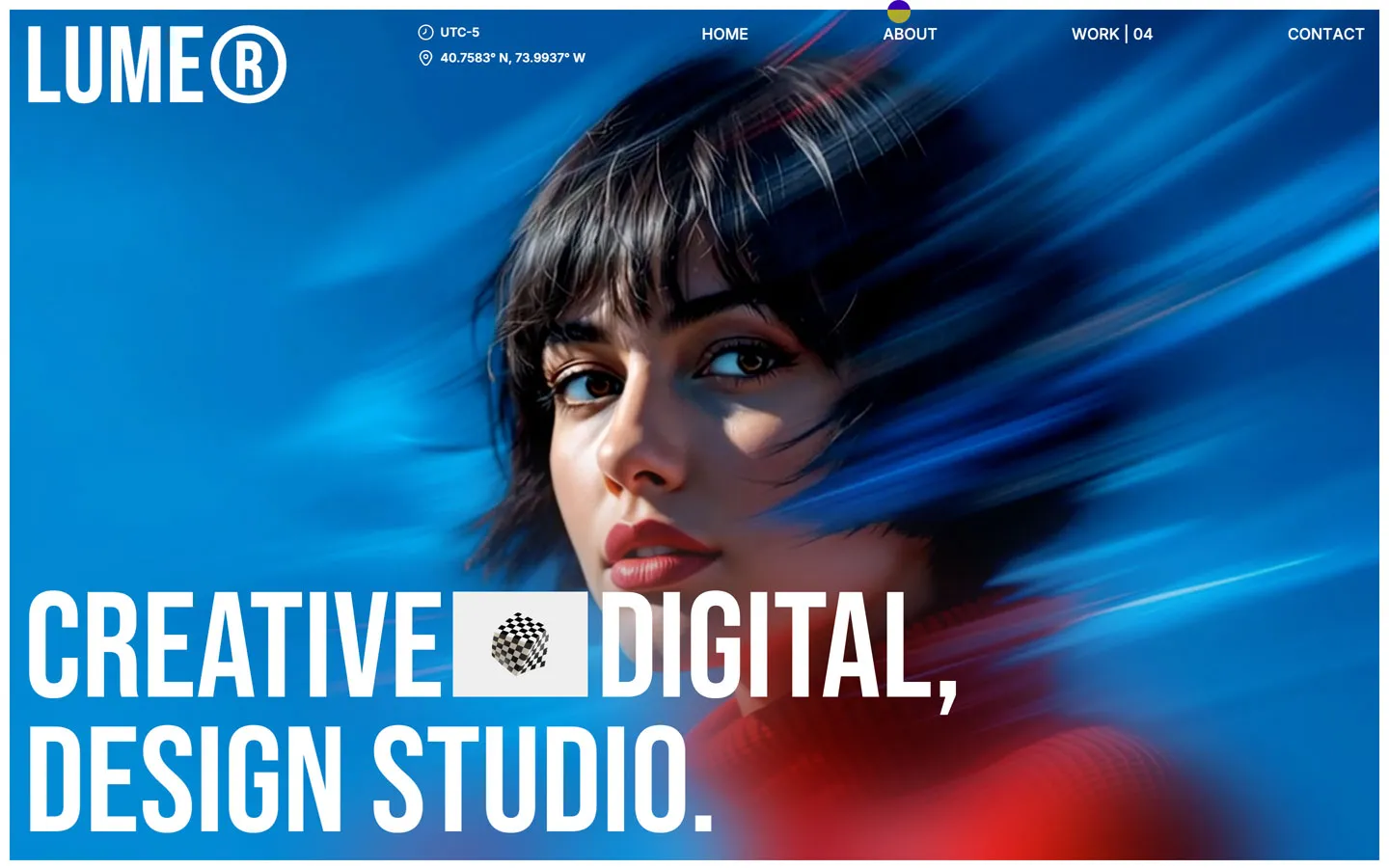
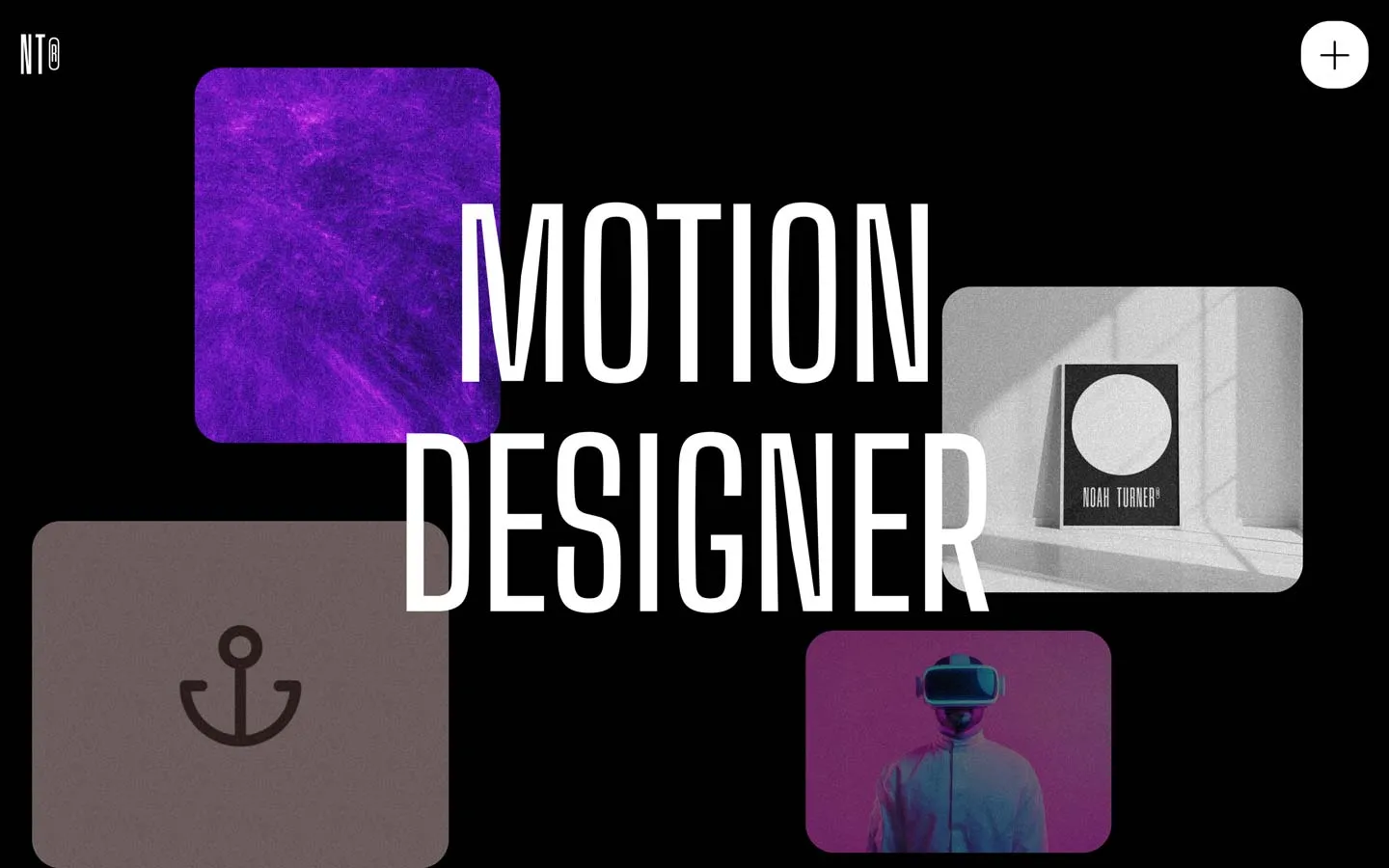
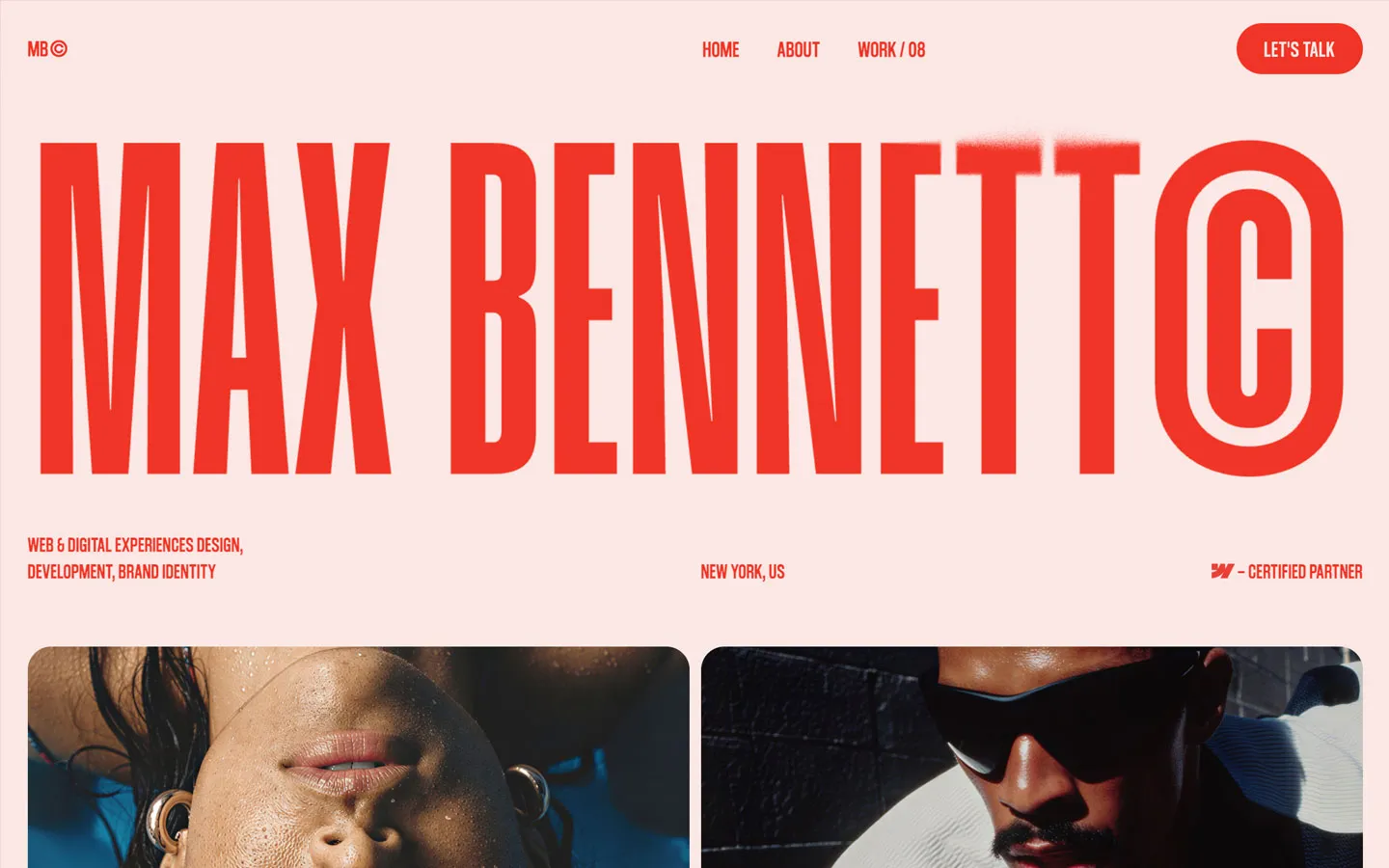


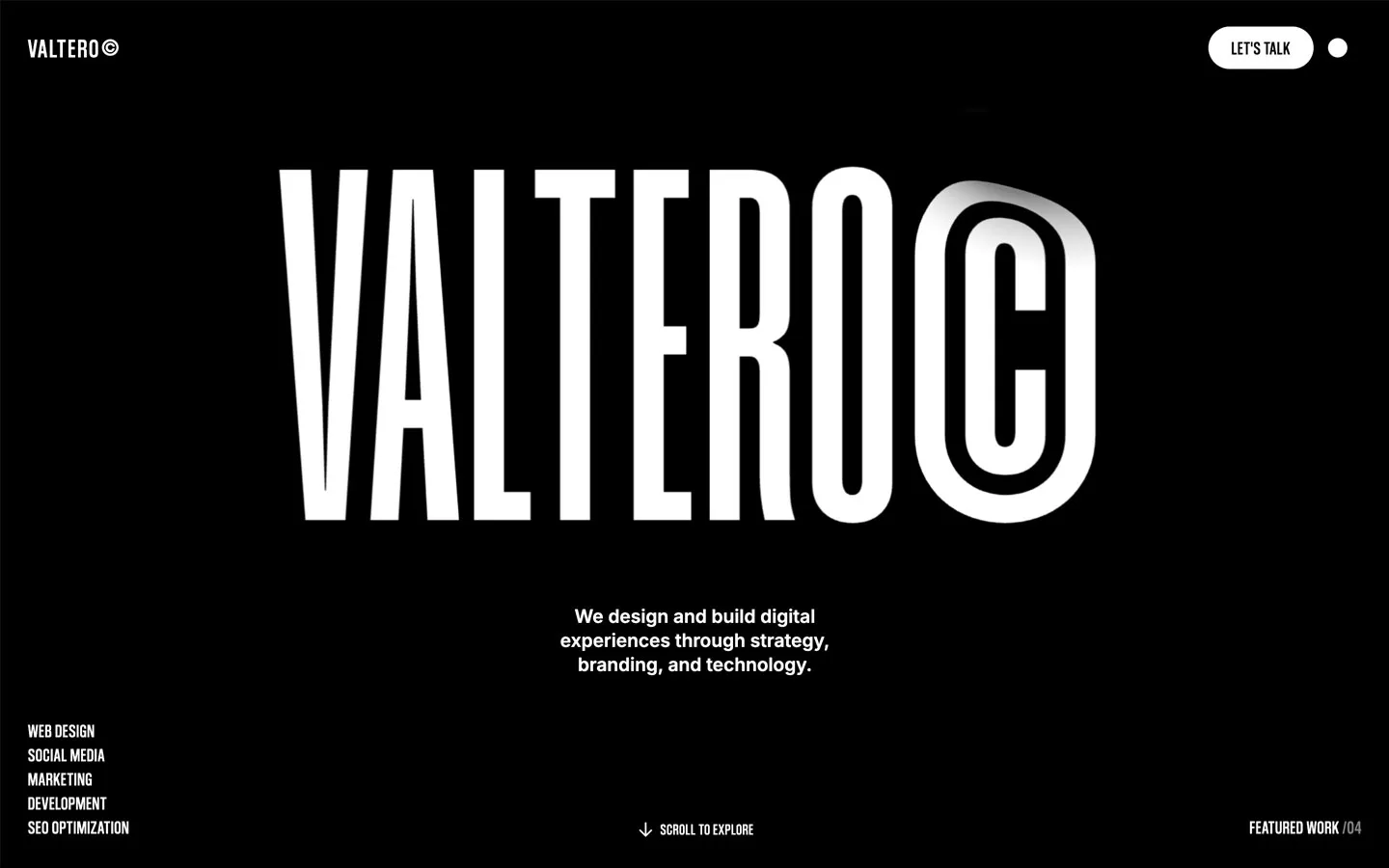


Don’t miss out on our superb, customizable templates designed to enhance your web design experience. We constantly add new templates and components.

Explore stunning Webflow, Framer, and Figma templates designed to spark your next big idea.


*Rest assured that your data is safe with us, and you'll only hear from us 1 time per month.