Yes, a non-designer can build a strong Webflow site with the right starting point. Focus on structure, typography, content, responsive behavior, and restraint.

Yes, a non-designer can build a good website in Webflow, but the easiest route is not to design everything from scratch. Start with a solid system, keep the visual decisions limited, and spend most of your attention on content, hierarchy, and consistency.
Webflow removes much of the need to write front-end code for a typical marketing site. It does not remove the need to make design decisions. That is why a good template can be especially useful for someone who understands their business better than they understand typography or layout.
For a first project, do not begin with an empty canvas unless you have a strong reason. A well-built template gives you page hierarchy, responsive behavior, reusable components, and a visual system that has already been thought through.
Choose based on the pages you need rather than the homepage you like most. A strong Services page or CMS setup will save more time than a dramatic hero that does not fit the business.
One of the quickest ways to make a template look worse is to change ten design decisions at once.
Start with the brand basics: logo, primary typeface if necessary, a small color palette, and real imagery. Keep the original spacing system while you learn how the project is built. Once the site is stable, make larger layout changes deliberately.
Good design becomes much easier when the message is clear. Replace placeholder copy early, especially headlines, service names, project descriptions, testimonials, and navigation labels.
If a section only looks good with vague demo text, it may not be the right section for the project.
You do not need to master every design principle, but you should understand a few basics:
These decisions will improve the site more than adding another animation.
Webflow components are useful for repeated elements such as navigation, footers, cards, CTAs, and recurring content blocks. If the same layout appears in several places, keeping it as a component makes future changes much safer.
Component properties and variants can also let you keep a consistent structure while changing content or presentation between instances.
Webflow begins from the desktop breakpoint and cascades styles to smaller and larger breakpoints. If you are new to the platform, avoid making random overrides at every screen size.
When something breaks on mobile, first ask why. Is the text too long? Is the section using a fixed width? Is an image crop wrong? Solving the underlying layout is usually better than hiding the problem.
A small reveal, hover state, or transition can add polish. A complicated scroll sequence can create a lot of extra testing.
If you are still learning Webflow, get the static experience right first. Add motion after the page works well with real content on desktop and mobile.
Webflow supports custom HTML, CSS, JavaScript, and newer code-component workflows, but most standard business websites do not need custom code for every interaction.
Use native features when they solve the problem cleanly. Every third-party script or code snippet creates something else to maintain.
A non-designer can comfortably handle a lot of website work, but there are places where specialist help can be worth it: complex accessibility issues, advanced interactions, custom integrations, ecommerce logic, migration planning, or a brand system that needs to be created from zero.
Getting help with one difficult part does not mean the whole project needs to become a custom agency build.
The goal is not to become a professional designer overnight. It is to make a site that is clear, credible, easy to use, and easy to maintain. A good starting system lets you spend your energy on those things.
Browse current Webflow templates if you want to start from an existing design system rather than an empty project.


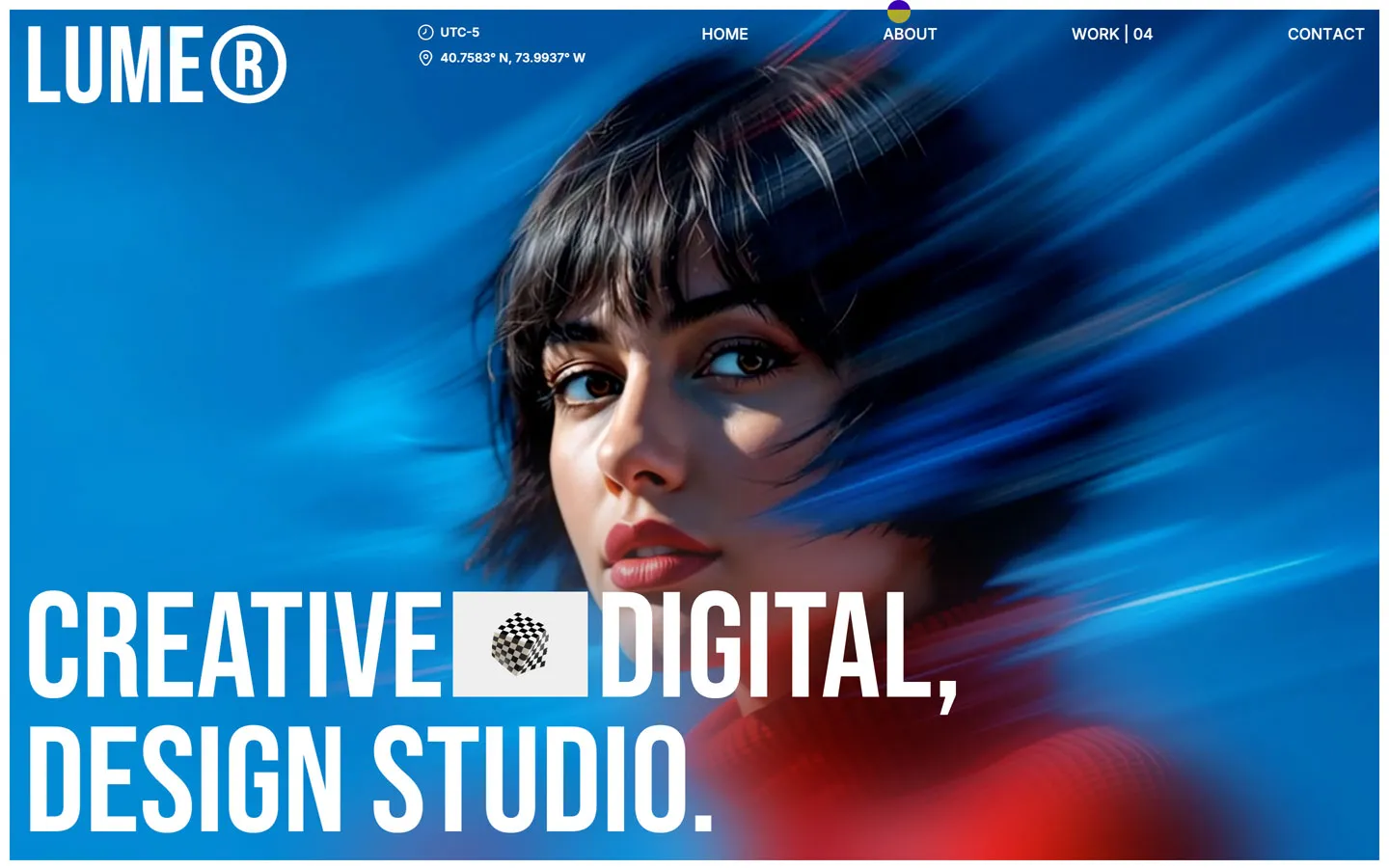
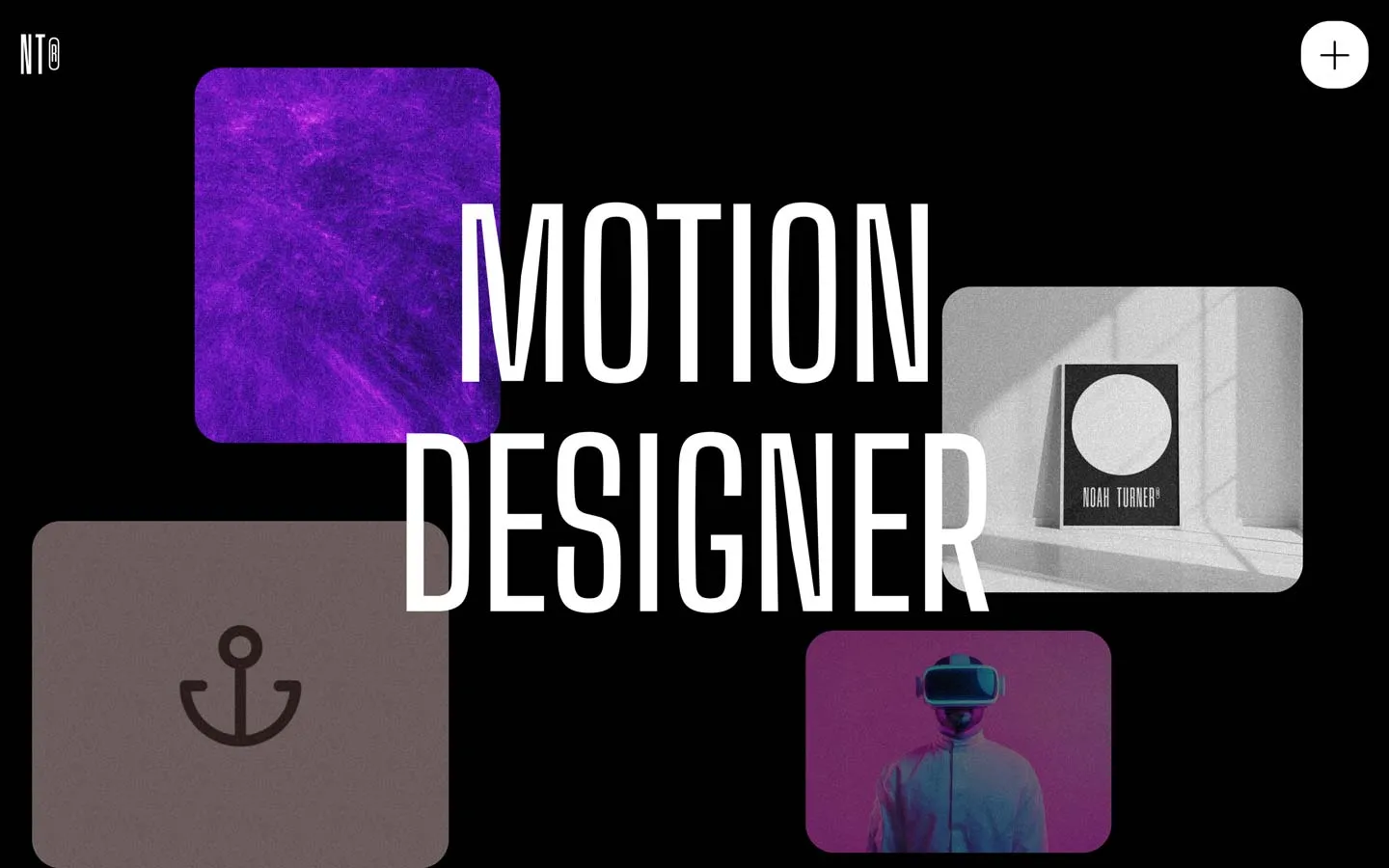
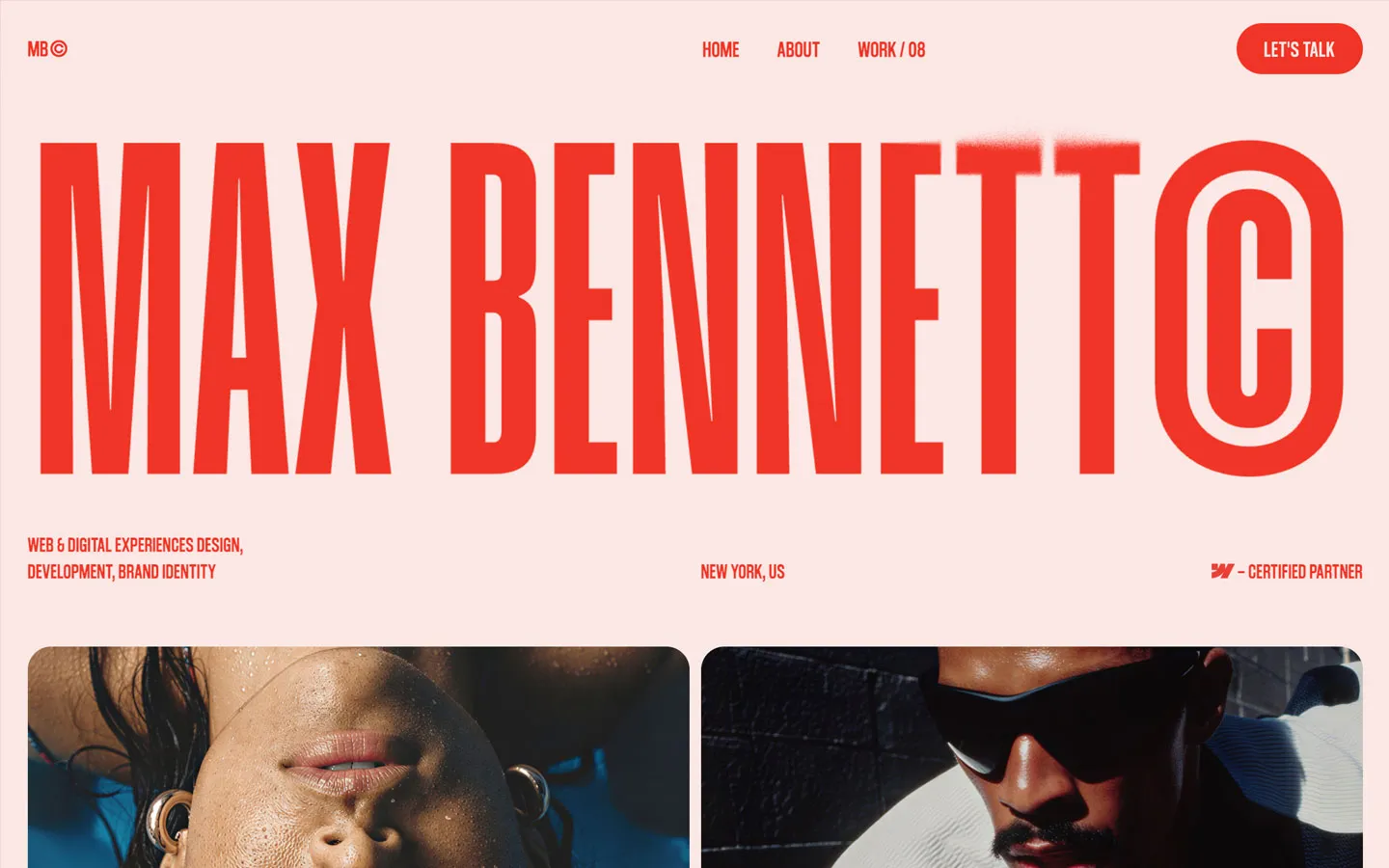


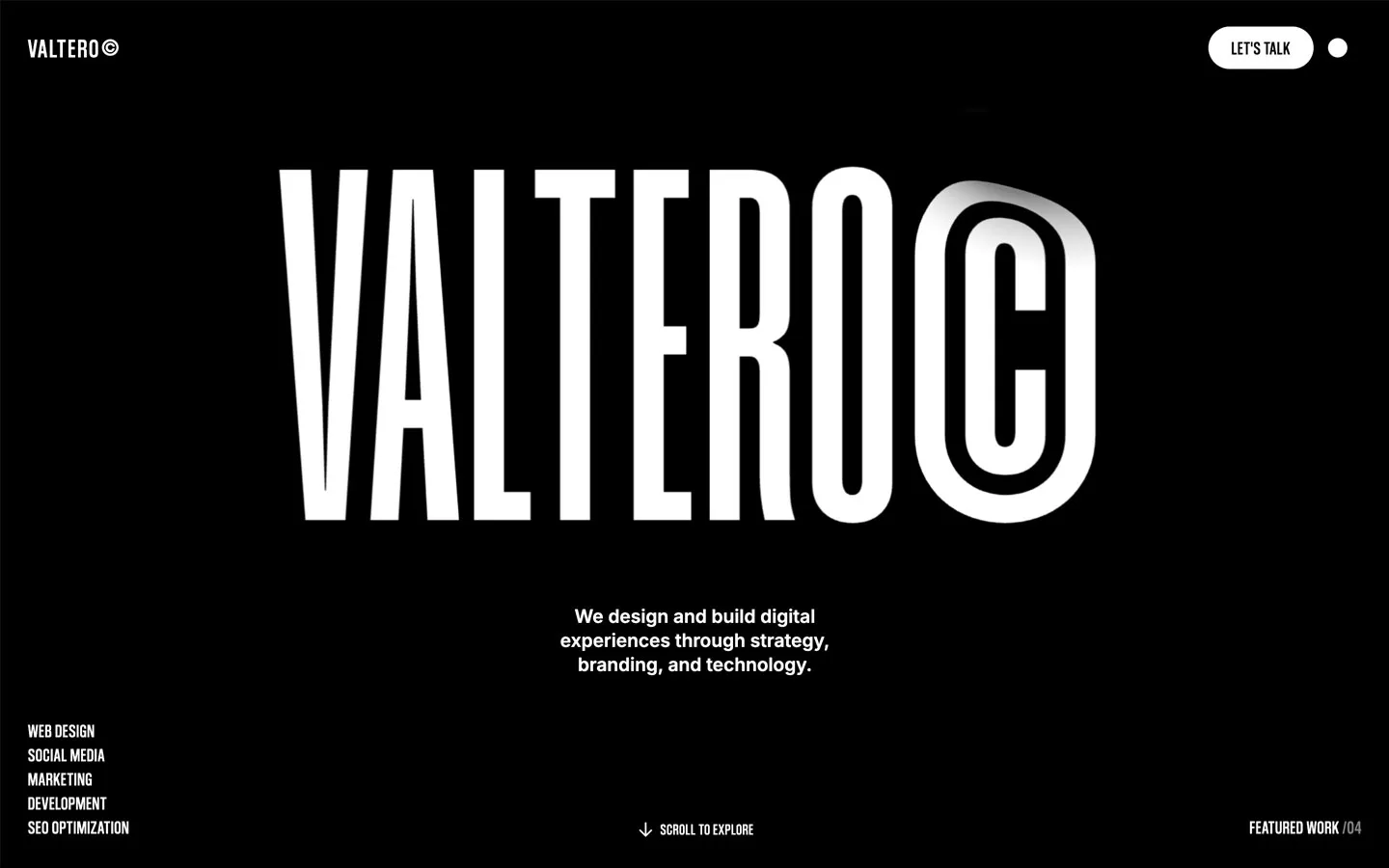
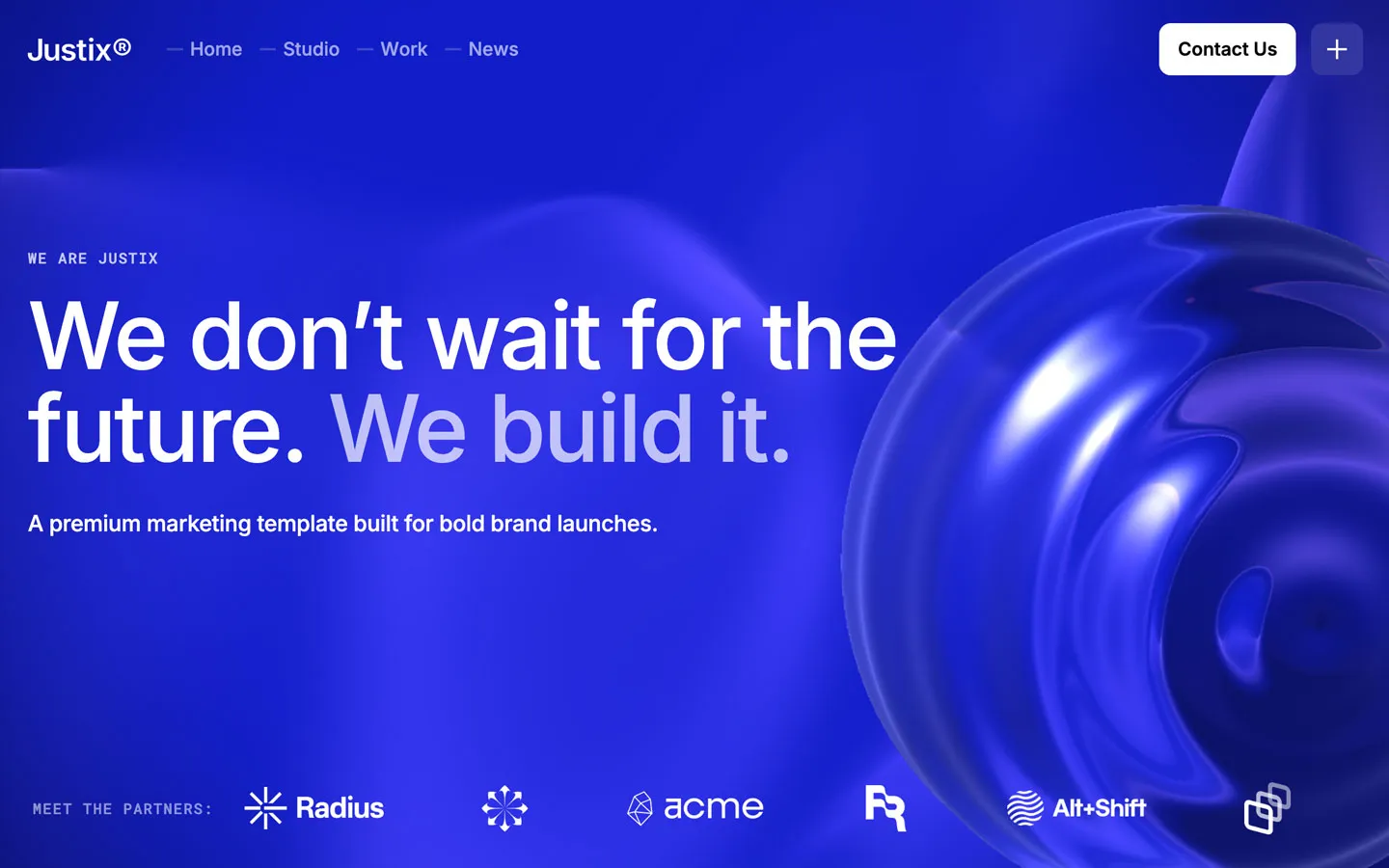


Don’t miss out on our superb, customizable templates designed to enhance your web design experience. We constantly add new templates and components.

Explore stunning Webflow, Framer, HTML5, Next.js and Figma templates designed to spark your next big idea.


*Rest assured that your data is safe with us, and you'll only hear from us 1 time per month.