Start from a template when structure is repeatable and time matters; start blank when the project depends on a genuinely unique system or unusual requirements.
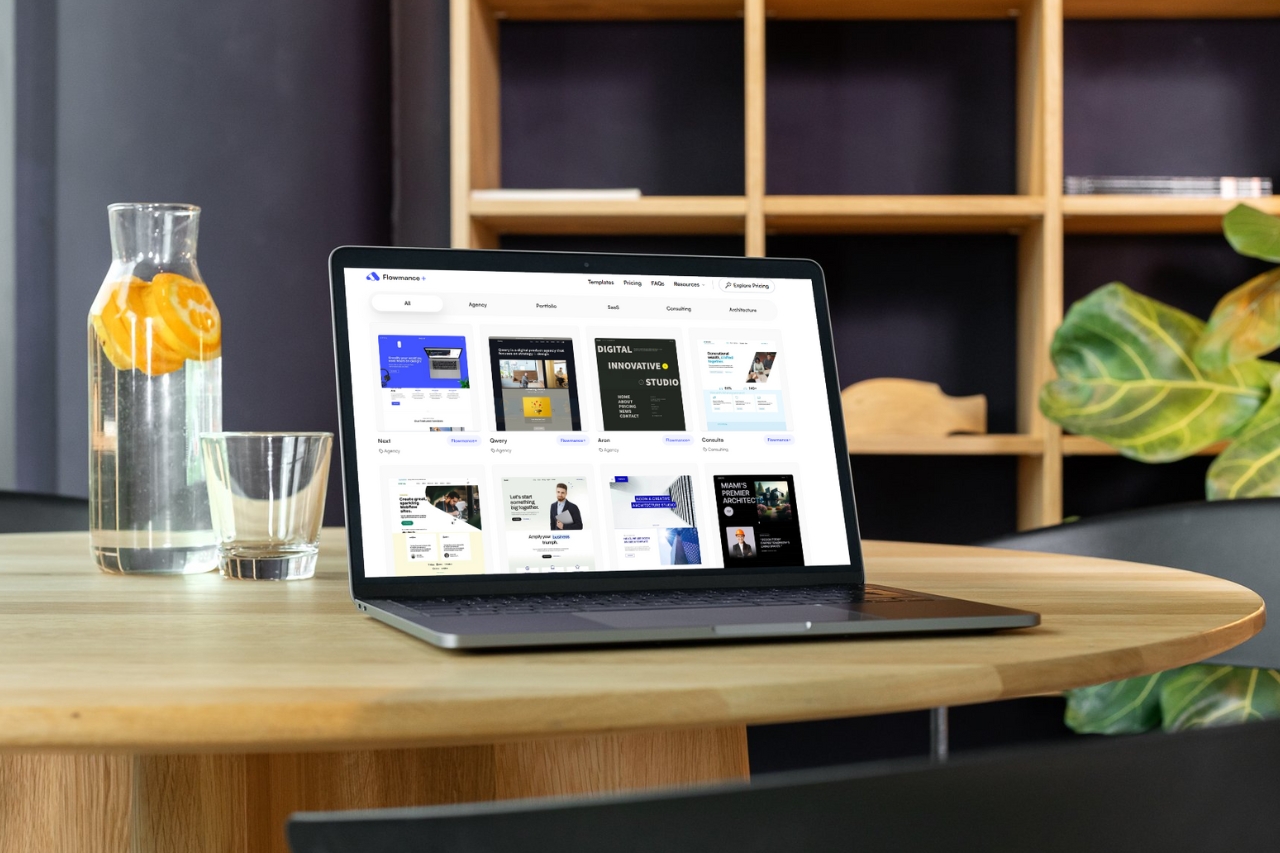
Start from a template when the project needs a proven structure faster; start from a blank canvas when the structure itself is the creative problem. Neither approach is more professional by default.
Templates are useful for projects that share common patterns: agency portfolios, SaaS marketing sites, consulting firms, blogs, studios, and many business websites. Navigation, CMS patterns, responsive grids, contact pages, and common sections do not need to be reinvented every time.
Start custom when the information architecture is unusual, the brand depends on a highly original interaction model, the site has specialized functional requirements, or the available templates would require more rebuilding than they save.
Replacing a logo and colors is not enough for a distinctive result. Good customization changes typography, imagery, content hierarchy, section order, CMS fields, motion, and conversion paths around the actual brand.
Starting from zero can create unnecessary cost if much of the final site follows familiar patterns. Custom work should be spent where it changes the outcome, not simply to prove that nothing was reused.
Estimate the work for structure, responsive behavior, CMS, components, utilities, interactions, QA, and handoff. A template can save substantial setup time, but only if its underlying system is close to what the project needs.
The goal is not to maximize originality in the setup process. It is to produce the best final website efficiently.
Compare the broader trade-offs in website templates vs custom design, or browse Webflow templates to evaluate a template-first path.


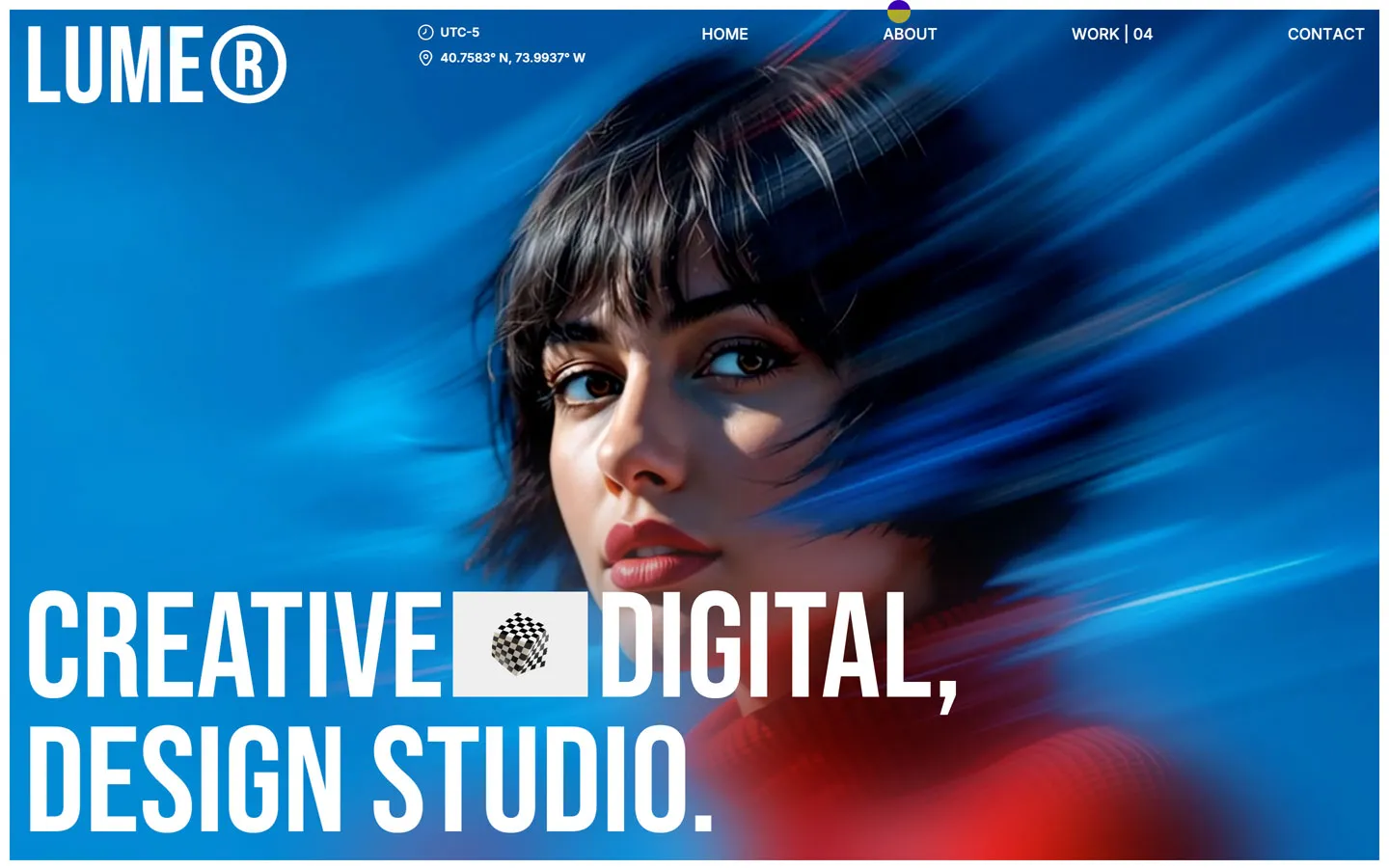
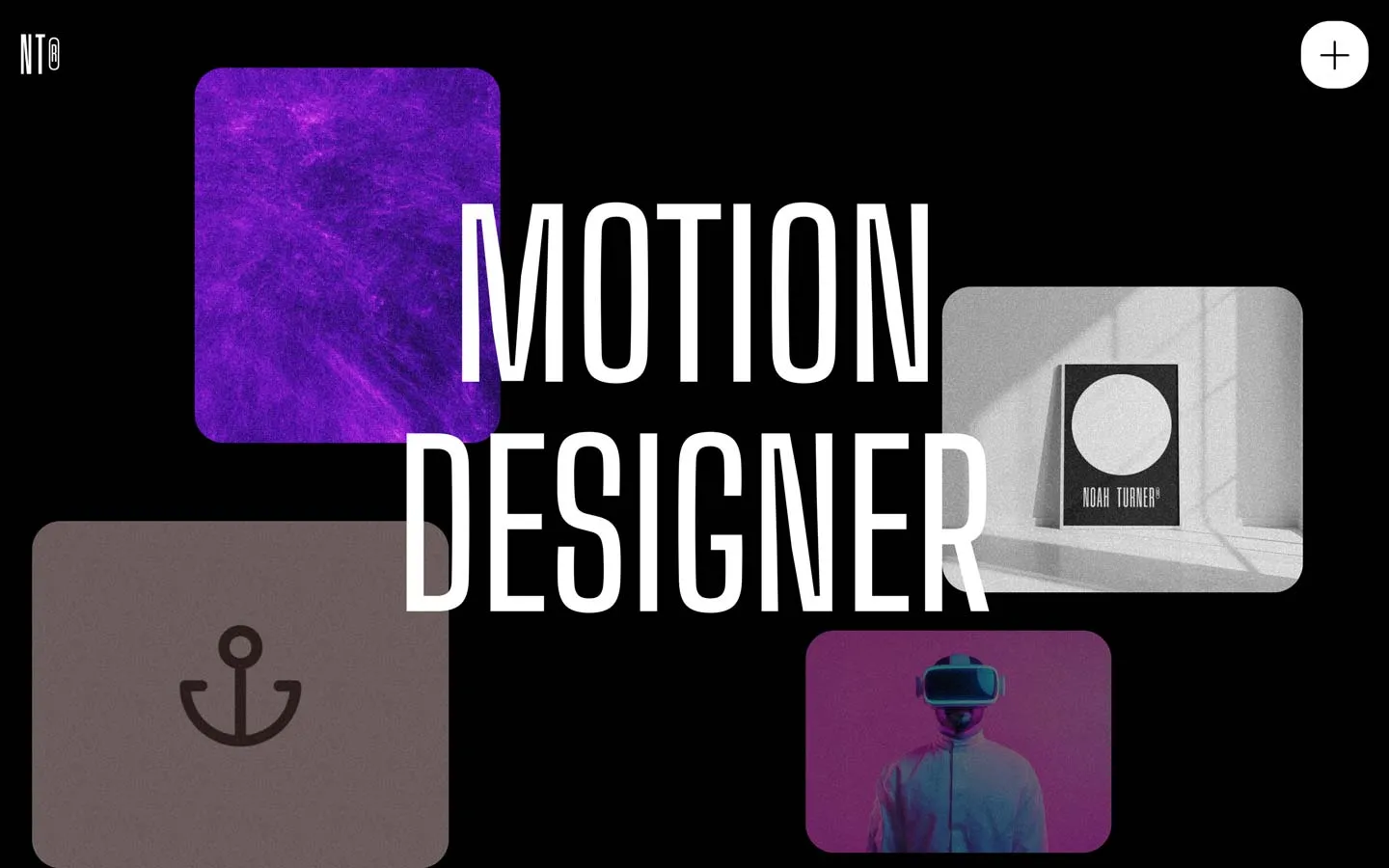
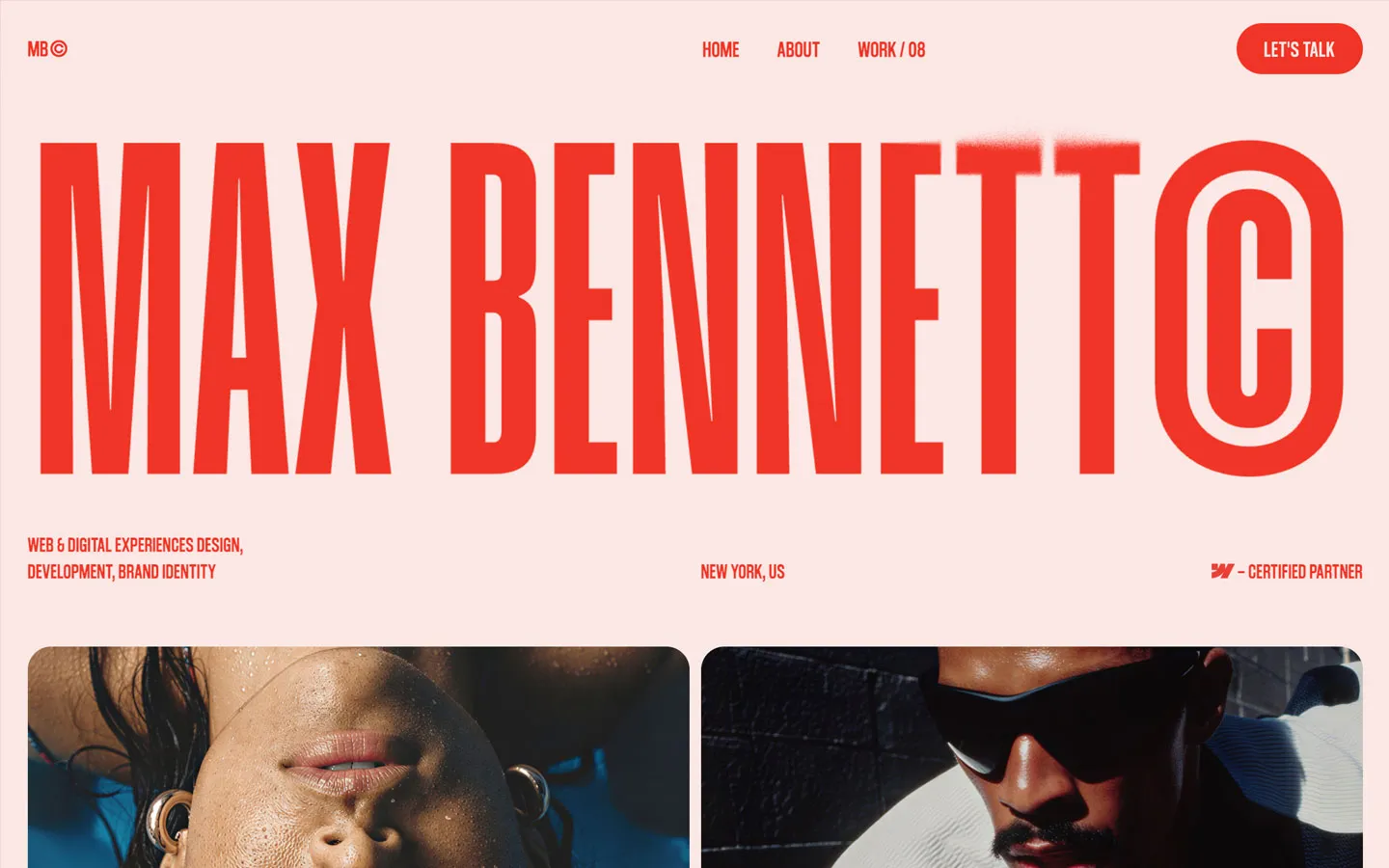


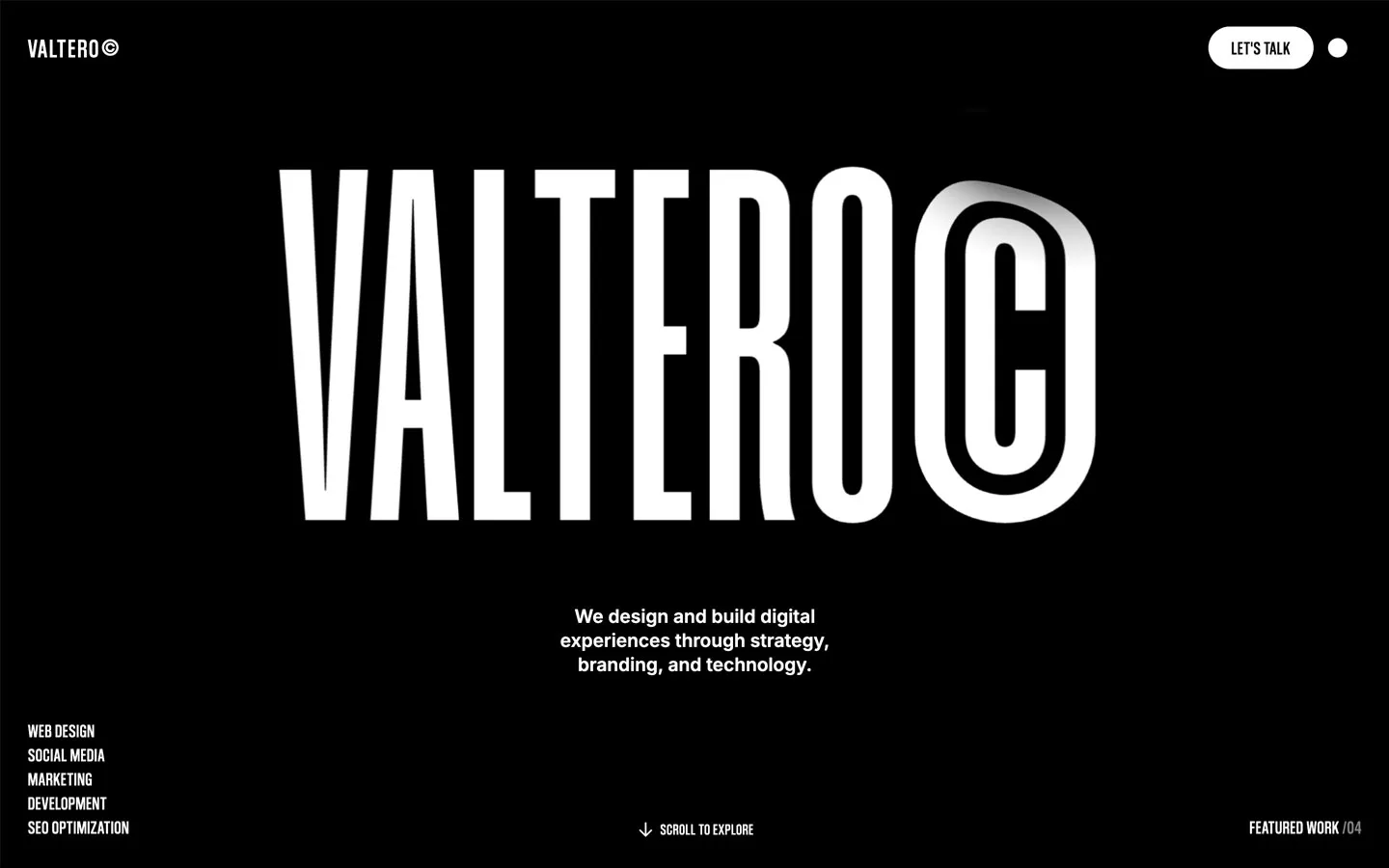
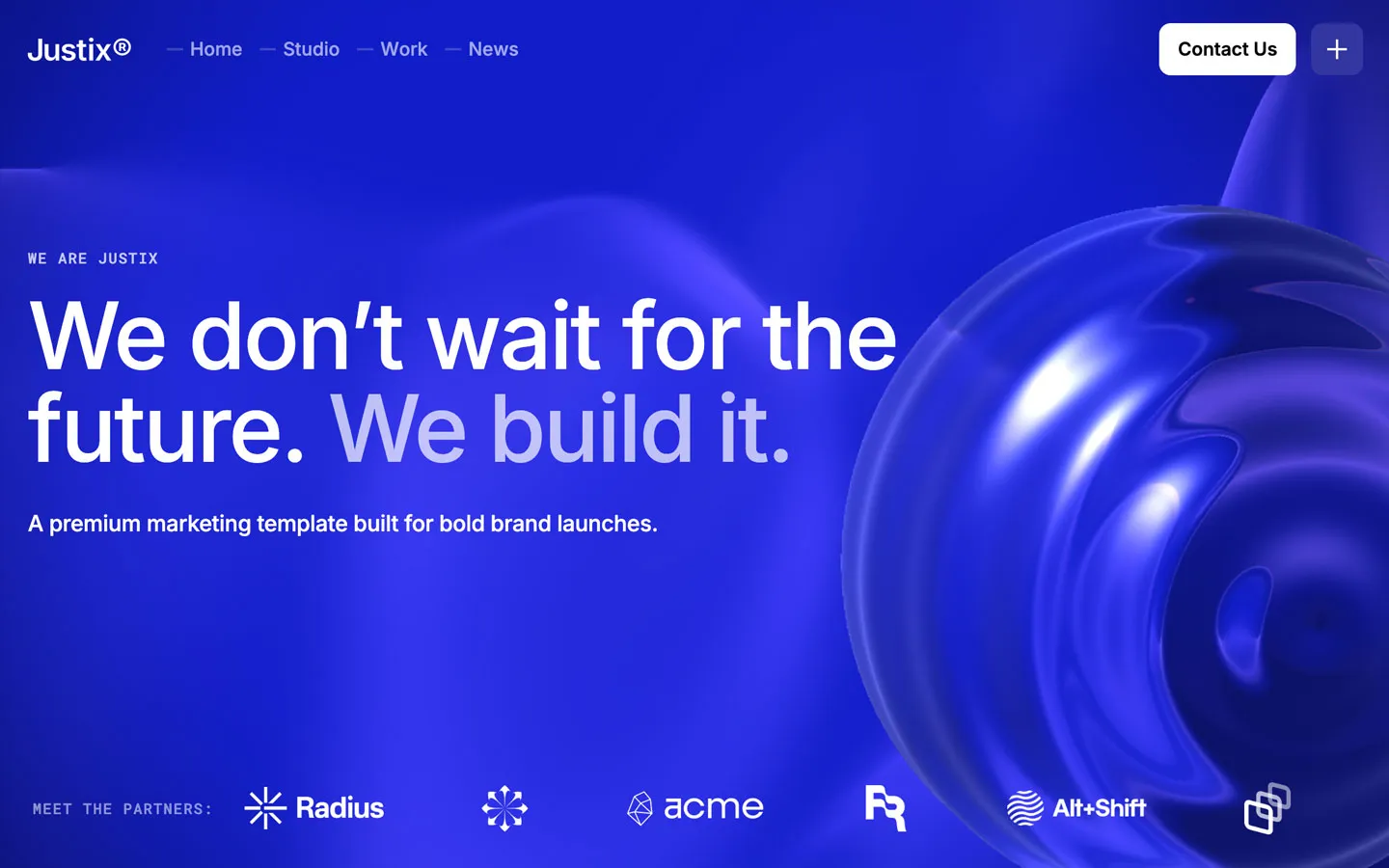


Don’t miss out on our superb, customizable templates designed to enhance your web design experience. We constantly add new templates and components.

Explore stunning Webflow, Framer, HTML5, Next.js and Figma templates designed to spark your next big idea.


*Rest assured that your data is safe with us, and you'll only hear from us 1 time per month.