A page library can be faster than a full template when your information architecture is custom but you still need reusable page-level starting points for common website tasks.
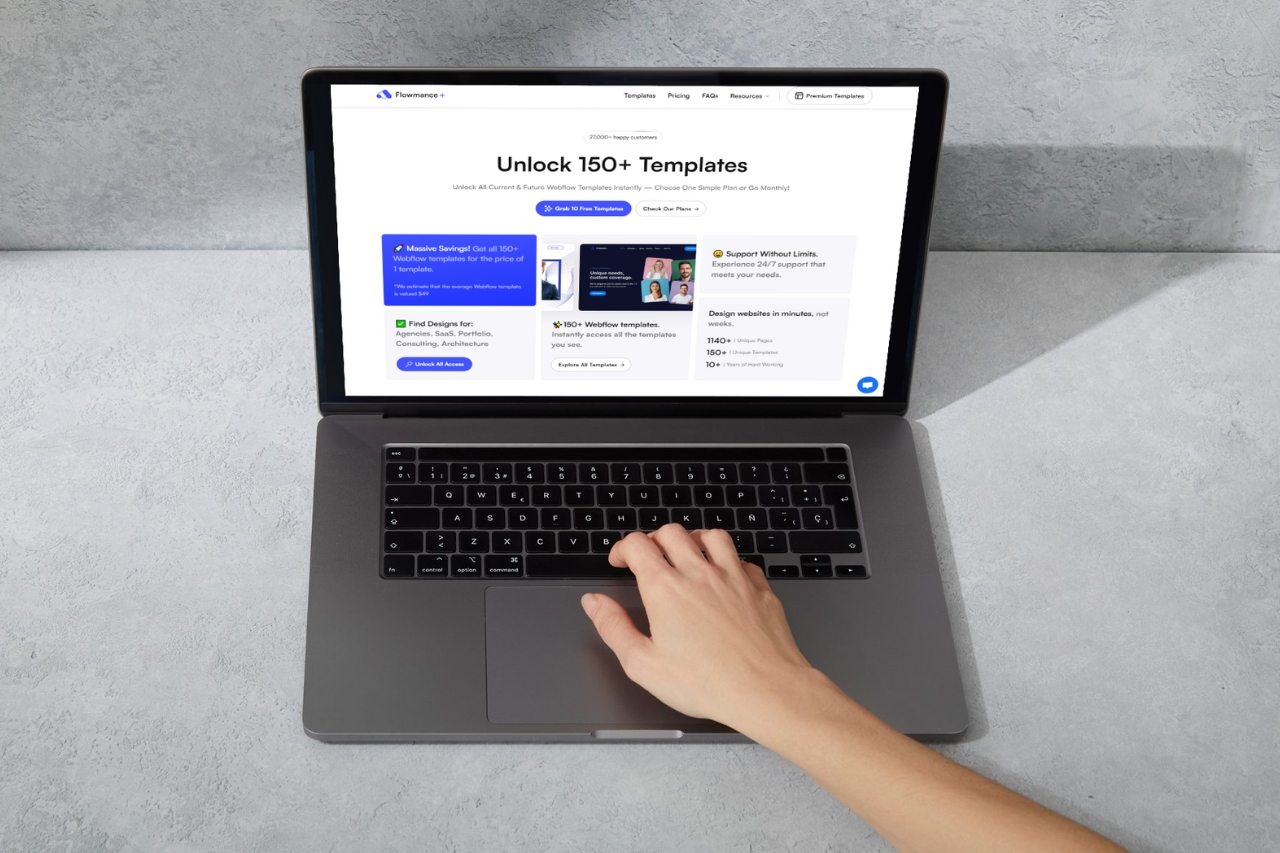
A page library is useful when you want more structure than individual sections but less rigidity than a complete website template. It gives teams reusable page-level patterns while preserving control over the overall information architecture.
Typical page patterns might include About, Services, Pricing, Contact, Case Study, Blog, Careers, FAQ, and landing pages. The team assembles only the pages the project needs.
If no complete template matches the brief but common page types still repeat, a page library can remove significant setup work without forcing the project into one demo structure.
Normalize imported pages around shared typography, spacing, colors, components, and containers so the site feels coherent even when patterns come from different starting points.
Combining pages blindly can create duplicate classes, competing spacing rules, and different interaction patterns. Audit structure before importing at scale.
Page libraries still contain demo copy. Test actual service names, case-study lengths, pricing structures, and images before considering a page finished.
Use a page library when the project needs custom architecture but common page types do not need to be reinvented. It sits between a full template and a section library in the reuse spectrum.









Don’t miss out on our superb, customizable templates designed to enhance your web design experience. We constantly add new templates and components.

Explore stunning Webflow, Framer, HTML5, Next.js and Figma templates designed to spark your next big idea.


*Rest assured that your data is safe with us, and you'll only hear from us 1 time per month.